

Fall Prep Tips for Residential Properties
Fletcher Anderson
Sep 15 2026 15:00
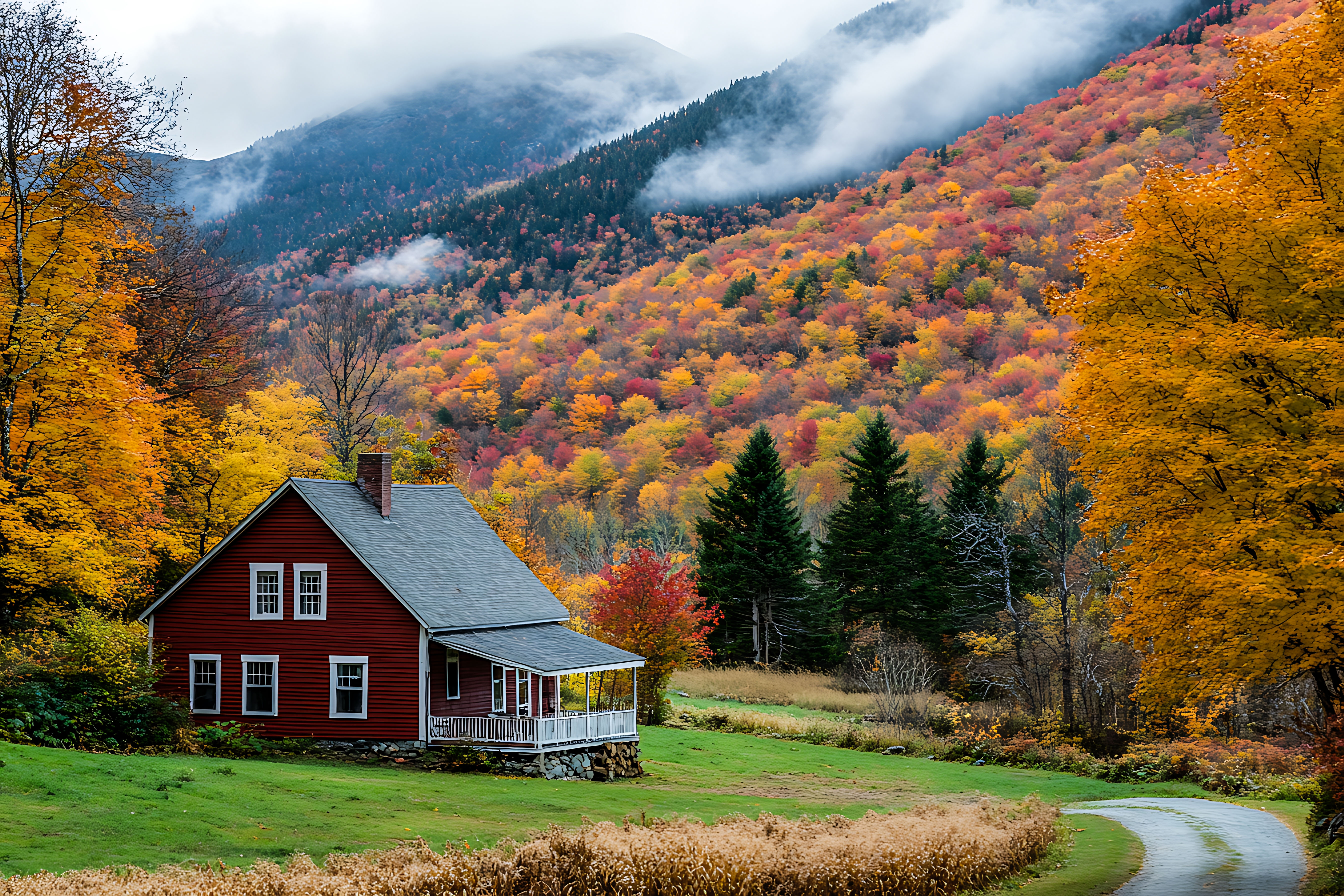
Did you know a leaf pile can be a major fire hazard?
As fall settles in and temperatures begin to drop, it's an ideal time for homeowners to prepare their properties for the colder months ahead. A bit of preventive care now can reduce the risk of costly winter repairs. Simple seasonal upkeep not only helps safeguard your home but also supports its long‑term value and comfort.
Investing a few hours into fall maintenance can prevent small issues from turning into larger, more expensive headaches. Whether you plan to stay in your home for years or want to ensure it shows well for future buyers, this season offers a perfect window to get ahead on important tasks.
Why Fall Home Maintenance Is So Important
Your home represents a major investment, and protecting that investment requires year‑round attention. Fall, in particular, plays a crucial role in preventing damage before winter arrives.
When routine maintenance is overlooked, property conditions can gradually decline. Neglect often leads to avoidable repairs, from deteriorating exterior features to structural concerns caused by water intrusion. These signs of wear may raise concerns for appraisers and prospective buyers, potentially affecting your home’s marketability.
Financially, it’s almost always cheaper to address issues early. Clearing gutters, sealing pavement cracks, or replacing worn exterior materials costs far less than repairing extensive damage later. Preventive care consistently proves to be the more budget‑friendly choice.
Prioritize Water Flow and Drainage
Proper water management is one of the first areas to evaluate as the season changes. When gutters become clogged with leaves and debris, they can’t direct water away from your home effectively. Overflowing gutters often lead to moisture concerns around the foundation.
Before temperatures drop further, disconnect unused garden hoses and shut off outdoor faucets. Taking these precautions helps reduce the chance of frozen or damaged pipes during winter.
Though drainage isn’t always the most noticeable home feature, it plays a major role in preventing long‑term water damage and protecting the structural integrity of your property.
Assess the Exterior Before Cold Weather Arrives
Autumn’s cooler temperatures and increased moisture can worsen any exterior damage already present. A careful inspection can help catch issues before winter storms highlight them.
Look closely at the roof for missing or lifted shingles, as these can quickly turn into leaks once snow or heavy rain arrives. Continue your walk‑around by checking siding, trim, and other exterior components for visible wear.
Pay attention to walkways and driveways, too. Even small cracks can expand when water enters them and freezes. Repairing these minor problems now may prevent more extensive repairs in the coming seasons.
Seal Up Drafts Around Windows and Doors
Windows and doors are common culprits when it comes to heat loss in the colder months. Worn weatherstripping or failing caulk often leads to drafts that make heating systems work harder.
These air leaks not only contribute to higher utility bills but can also make certain rooms uncomfortable. Luckily, most of these issues are easy to fix. Applying new caulk or replacing weatherstripping is an affordable, DIY‑friendly way to boost comfort and energy efficiency.
Properly sealed openings also help keep moisture out, reducing the risk of long‑term structural concerns.
Handle Key Landscaping Tasks
Fall yard maintenance supports both curb appeal and home safety. Trees with branches that hang over the roof should be trimmed back to avoid potential damage during storms or high winds.
Leaves are another major factor. If they accumulate on the lawn, in gutters, or around outdoor equipment, they can trap moisture, impact airflow, and create drainage problems. Regular removal keeps your yard safer and reduces wear on your home’s systems.
Maintaining the landscape throughout fall helps keep your property attractive while minimizing hazards.
Give Essential Interior Systems Proper Attention
While outdoor maintenance often gets top priority this time of year, interior systems deserve attention as well. Before colder weather sets in, have your heating system inspected. A professional service call can identify aging parts, blocked filters, or other concerns before heavy seasonal use begins.
If you rely on a wood‑burning or gas fireplace, schedule an inspection to confirm it’s functioning safely and efficiently. Ensuring ventilation and mechanical components are in good condition helps create a safer home environment.
Fall is also a smart time to check carbon monoxide detectors and replace batteries as needed. Simple steps like these contribute to a comfortable and secure home all season long.
How Consistent Maintenance Protects Your Home’s Value
Beyond preventing repairs, ongoing seasonal care plays a meaningful role in preserving your property’s market value. Homes that show clear signs of attentive upkeep typically make stronger impressions on buyers and avoid the issues that commonly surface during inspections.
Conversely, deferred maintenance can raise concerns about deeper problems, which may lead to lower offers or additional negotiation. Keeping up with routine tasks is one of the most straightforward ways to protect your investment.
Whether you’re focused on long‑term comfort, energy efficiency, or avoiding surprise repair costs, fall maintenance delivers significant advantages. Small steps today can make a substantial difference in the months ahead.
If you’re looking for guidance on protecting your home, need recommendations for trusted local service providers, or want help understanding how maintenance connects to your insurance, our team at Clemson Insurance is here to support you.